Blog 123 A Literary World: An Interview with Elisabeth Storrs
A Literary World
An Interview with Elisabeth Storrs
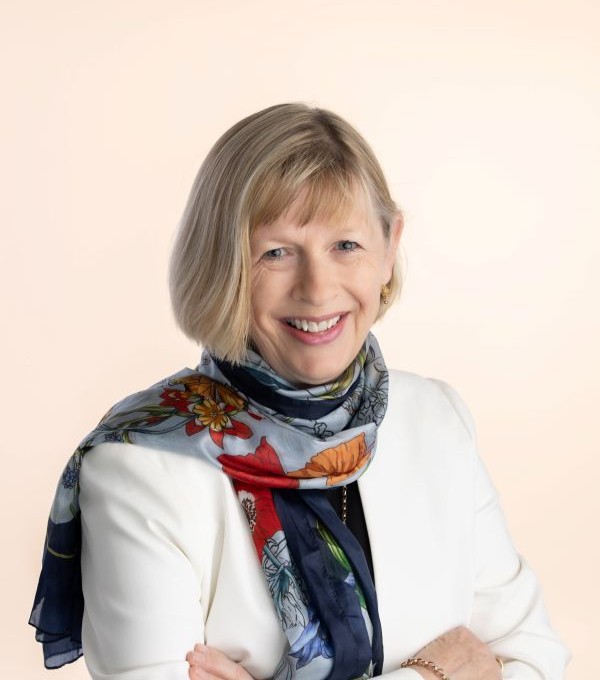
My guest today is Elisabeth Storrs, an author who has a great love for history and myths. She is the award-winning author of A Tale of Ancient Rome trilogy which was endorsed by Ursula Le Guin, Kate Quinn and Ben Kane. Now her obsession lies with Trojan treasure and twisted Germanic prehistory in her new release, Fables & Lies: A World War II Novel. Elisabeth is also the founder of the Historical Novel Society Australasia and the $155,000 ARA Historical Novel Prize. She lives in Sydney with her husband in a house surrounded by jacarandas. As an author of WWII novels myself, I couldn’t wait to read it her latest book. It is a fascinating story entailing a huge amount of research and a plot that is a real page-turner. So, without further ado, pour yourself a glass of wine, sit back and enjoy our little chat.
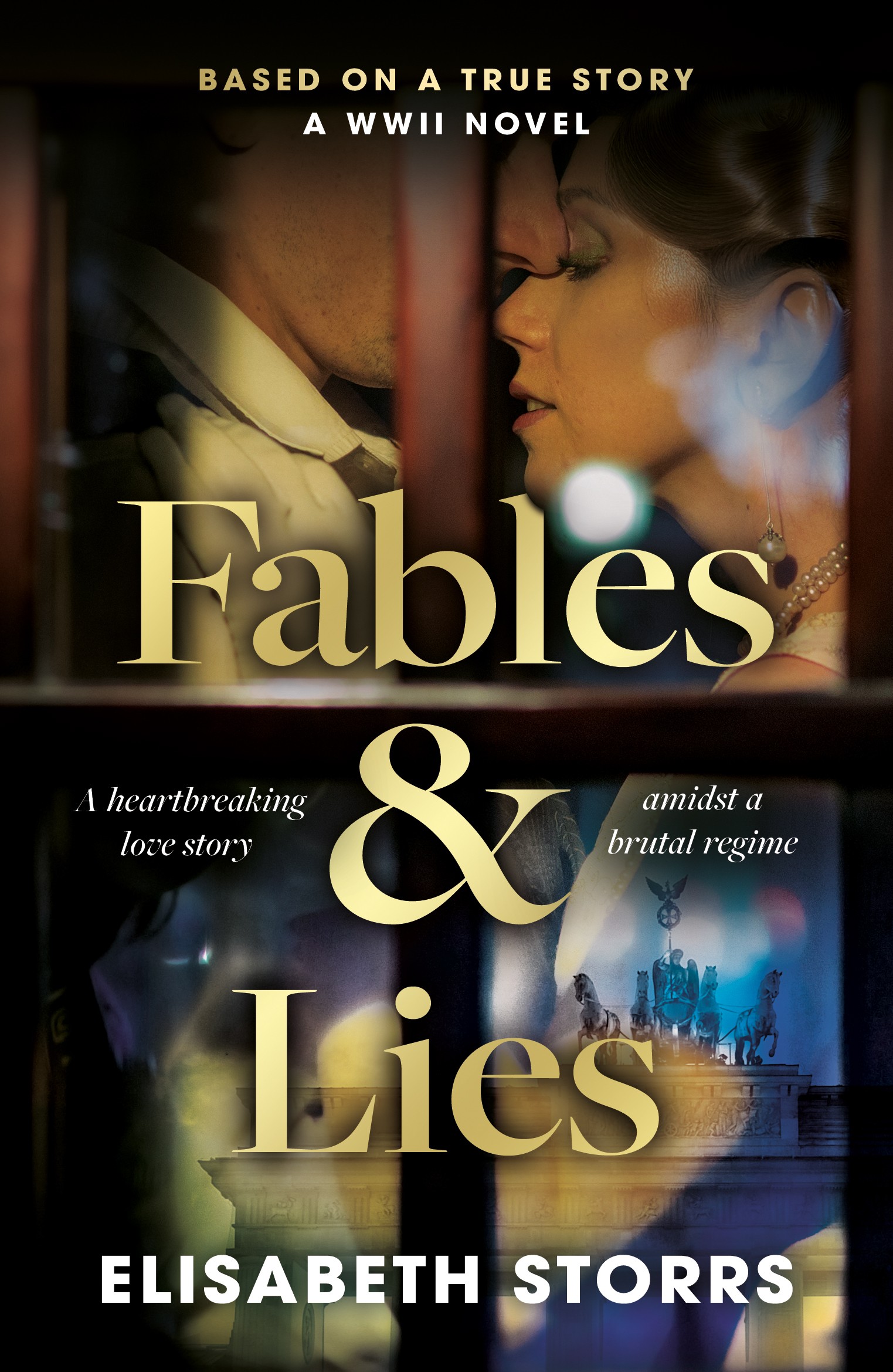
1. Welcome to A Literary World, Elisabeth. What made you want to write this story?
I am a great lover of the ancient world. In my reading, I came across the story of the archaeologist, Heinrich Schliemann, who not only proved Troy existed but also discovered a fabulous cache of gold there known as Priam’s Treasure. During WW2, the treasure was kept in the Pre and Early History Museum situated next door to Gestapo Headquarters and SS House in Berlin.
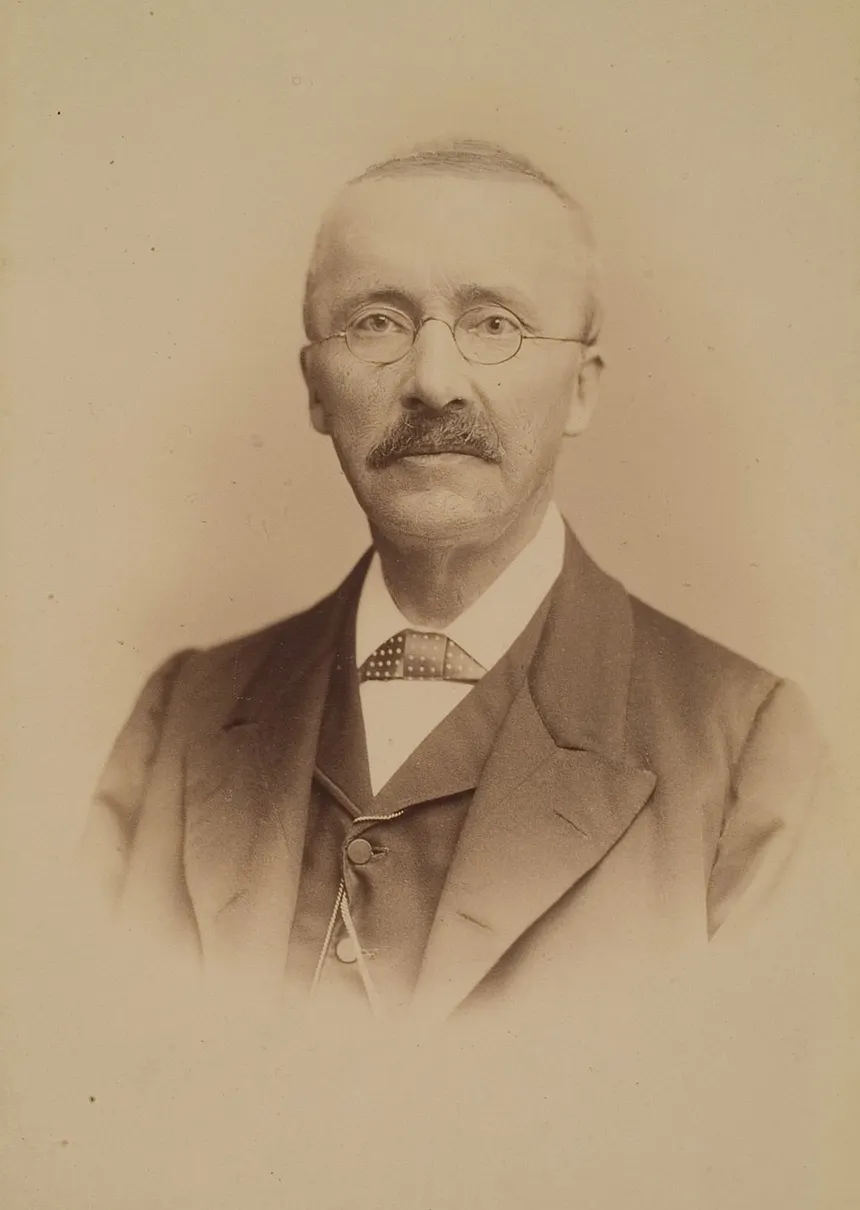
Heinrich Schliemann
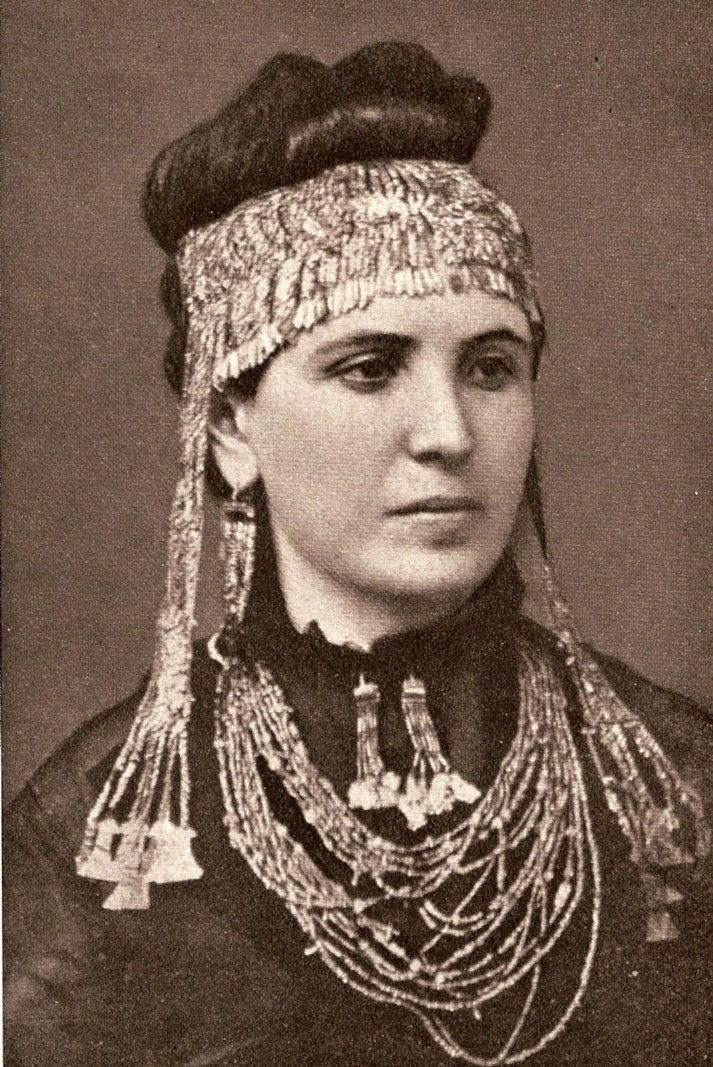
Sophia Schlieman
When researching the Trojan gold, I discovered the little-known story of German museum curators who protected their nation’s (and the world’s) treasures from constant aerial bombardment. As such, I wanted to tell their tale, which contrasts with the Nazis plundering both private and public collections across Europe. My protagonist, Freyja Bremer, is a museum assistant who risks her life to protect Priam’s Treasure and other antiquities from air raids.
Priam’s Treasure
2. You weave real people into this story, particularly the museum’s director, Wilhelm Unverzagt, and the SS Ahnenerbe. Could you tell us more about his role and that particular group?
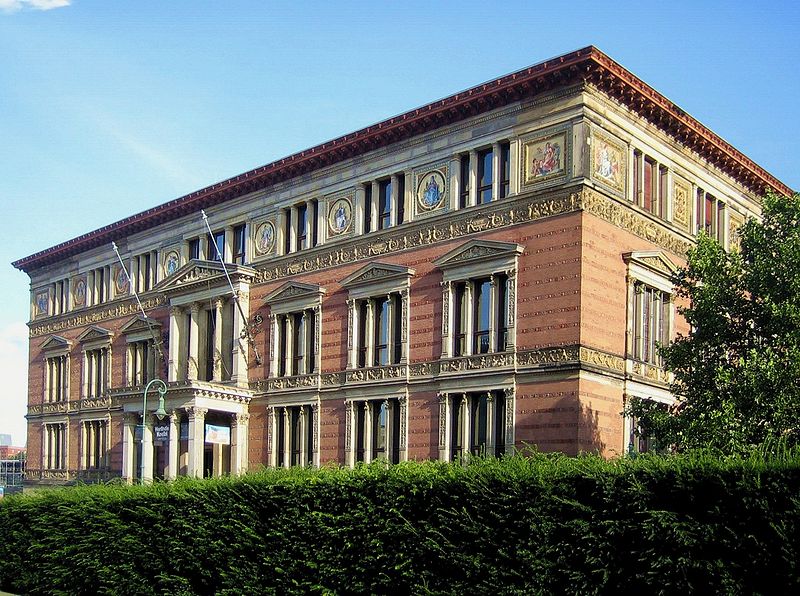
Martin-Gropius-Bau, commonly known as Gropius Bau, is an important exhibition space in Berlin, Germany. Originally a museum of applied arts, the building has been a listed historical monument since 1966. It is located at 7 Niederkirchnerstraße in Berlin-Kreuzberg.
The novel is based, in part, on Wilhelm Unverzagt’s story but is a fictional account. He was the museum director who put his life on the line to protect Priam’s Treasure, including risking execution by defying a ‘Hitler Order’, and also staring down the Soviets who sought to plunder it in the fall of Berlin. However, I discovered he was also a Nazi who joined Himmler’s Research Institute, the SS Deutches Ahnenerbe.
The SS Ahnenerbe, which roughly translates as ‘Ancestral Heritage’, was an institute established to research Germanic origins to establish Germanic-Nordic Aryans as the ‘Master Race’. Fanatical SS archaeologists promoted a spurious theory the Indo-Aryans emerged in the Stone Age in the northern
Germany/Denmark as a warrior race to spread their culture south and east across Europe. Some SS prehistorians were even embedded with the army in Ukraine to brainwash soldiers into believing they were reincarnations of ancient Iranic peoples thereby entitling them to reclaim ‘ancestral lands’.
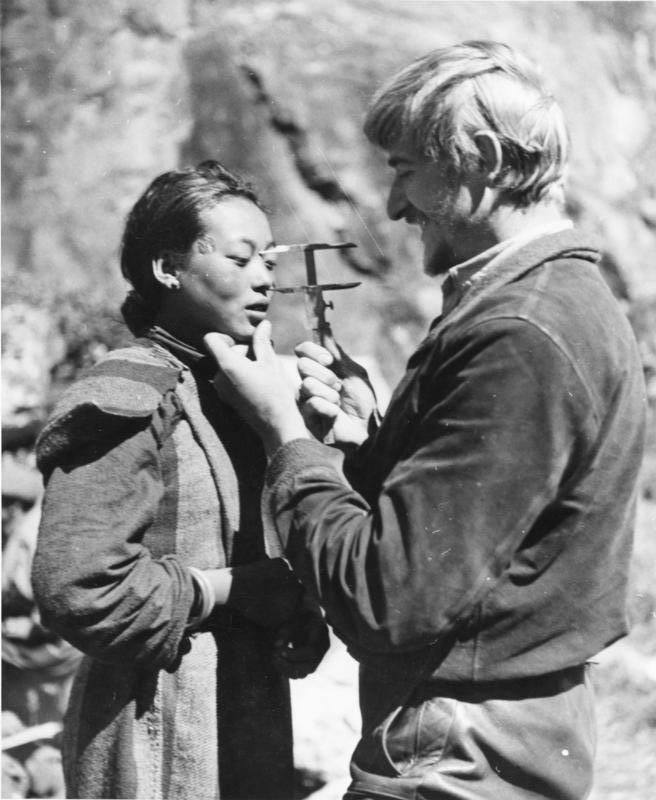
Lachen, Beger als Zahnarzt (anthropologische Messung)
Unverzagt was not one of these extremists but he was an example of one of the many reputable prehistorians who made Faustian Bargains to twist history to serve power under the Nazi Regime. He joined the Ahnenerbe as a civilian member to guard himself from attacks by his rivals, protect his museum, but also advance his career.
There were also vicious SS ethnologists who promulgated negative eugenics justifying the dehumanisation, sterilisation and ultimately extermination of those considered ‘sub-human’ such as Slavs, People of Colour, Travellers, the disabled and mentally ill, and Jews.
Learning about these zealots, I wanted to reveal the work of Himmler’s SS scholars as another layer of my story. Freyja is trapped into marrying an Ahnenerbe ethnologist, Kaspar Voigt, in order to protect her father. In doing so, she faces the moral conflict of acting as a faithful SS wife while attempting to uncover what her husband’s racial studies research entails.
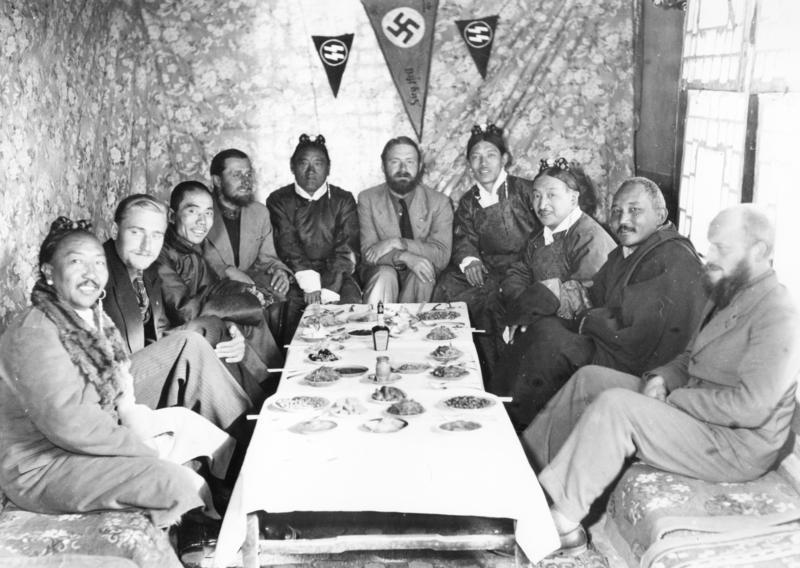
Lhasa, Expedition beim Empfang tibetischer Würdenträger
3. Can you tell us about Schleimann and Priam’s Treasure. Why did you decide to focus on this when there were many national treasures in Berlin that needed to be protected?
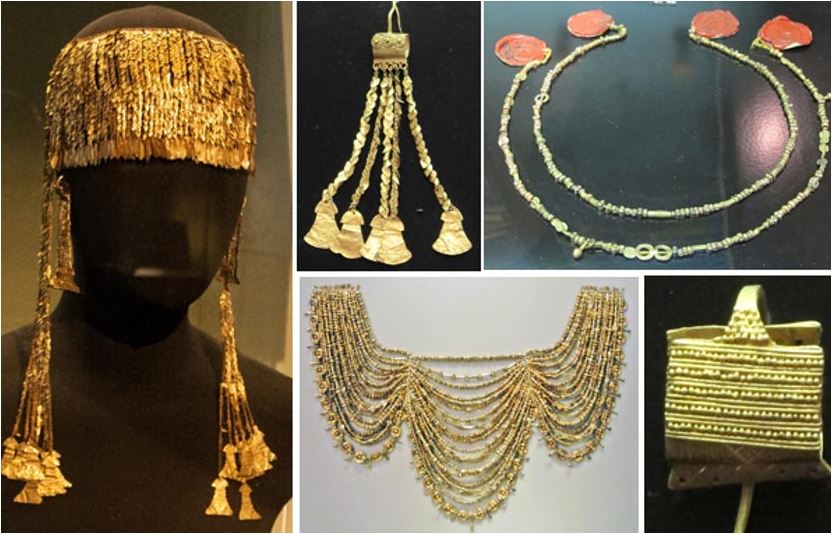
Because I have been obsessed with Schliemann, Troy and the gold for over thirty years! Heinrich Schliemann was a middle-aged German business tycoon who came to archaeology late in life with a deep conviction he could locate the site of Troy by using Homer’s descriptions in The Iliad. In 1873 he found a sensational cache of gold, silver and bronze vessels including two fabulous headdresses, numerous earrings and multiple strands of beads. Believing he had located Homeric Troy, he named the trove ‘Priam’s Treasure’ and the glorious jewellery – ‘Helen’s Jewels’. I was intrigued with the journey of this priceless hoard which was smuggled out of Turkey then ‘bequeathed’ to the German people by Schliemann. In the fall of Berlin, a Soviet Trophy Brigade seized it and transferred it to Russia. However, the Soviets claimed it never arrived due to being lost in the chaotic aftermath of the war. 50 years later, they finally admitted they’d been hiding it in the Pushkin Museum in Moscow where it still remains.
Priam’s Treasure was literally the jewel in the crown for the Museum of Pre and Early History in Berlin. The public came in droves to view it. The hoard was the most iconic of the antiquities held by Germany aside from the Pergamon Altar (which I also cover in the novel).
4. After the Russians occupied this sector at the end of the war, did anyone have idea where the stolen artworks were?
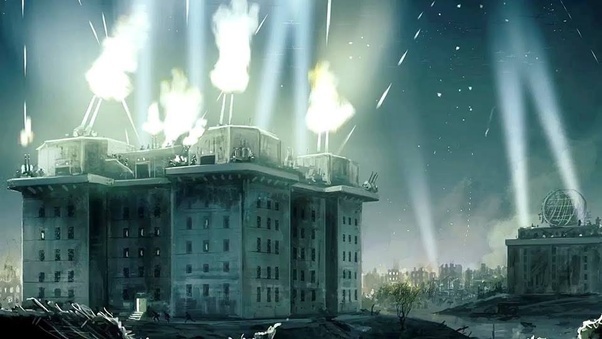
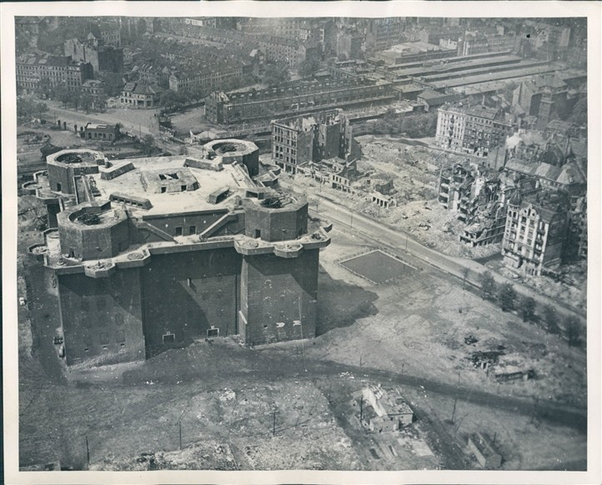
Flak Tower near the Zoo
The exhibits from the Museum of Pre and Early History, together with the contents of other prominent museums and art galleries, were held in a massive Flak Tower near the Zoo by the end of the war. The Soviets removed Priam’s Treasure fairly quickly, advising it would be taken to Moscow. Later, knowing either the Americans or British would control the tower, the Soviets hurriedly cleared out every exhibit and moved them to a store house in Karlshorst before sending the goods to either St Petersburg or Moscow. From my research, the German curators were expected to help the Soviets re-catalogue and then pack the goods for transport but were kept in the dark as to what happened afterwards.
5. We know that much of Berlin was a shell after the bombing, but do you have any idea of what was lost? You describe the attention to documenting all artifacts. Is everything accounted for or are there still treasures missing?
Some antiquities were returned to East Germany in the 1950s such as the Pergamon Altar but there are millions of pieces of art still missing taken from the Berlin museums. Stalin planned a super-museum of his own but then changed his mind and ordered the plunder be hidden in various repositories in Moscow and St Petersburg. In the ensuing decades, records of where the hoards were held were lost together with detailed inventories. In the 1990s, after Glasnost, the Russians admitted they held various treasures but I understand the process of identifying and reconciling the art continues. The German records were also fractured due to producing pared back inventories during the safekeeping campaign. Many collections were broken up with some exhibits being sent west to the salt mines on the Elbe while others remained in Berlin. Each time, lists were created with less and less information.
6. Family dynamics are the thread that pulls this story together and you did this exceptionally well given that everyone of your characters has a complex view of, not only the war, but of Nazi ideology. What was Himmler’s role in creating the Master Aryan Race theory? How did this evolve so quickly and how did it affect the German people?
Heinrich Himmler was particularly fond of occult fancies. He supported the Ahnenerbe which sent scholars to recover various ancient relics, including the Holy Grail and a crystal skull, on the basis these objects held supernatural qualities. Steven Spielberg is said to have heard stories from a Jewish camp survivor about such expeditions which influenced the various narratives of his Indiana Jones movies.
Himmler charged one expedition to locate traces of the survivors of Atlantis in Tibet. Forged in ice and snow, these super-human ‘proto-Aryans’ migrated across the world to create the foundations of all great civilisations. However, other than those who reached Scandinavia and northern Germany, they fell prey to the perils of interbreeding with ‘base’ races which diluted their power. Those who survived in the north became the ‘Master Race’ from which modern Germans descended. This was the genesis of the ‘Aryan Myth’ which was further expanded, as mentioned, by archeologists claiming Indo-Aryans originated in northern Germany/Denmark.
However, I suspect only the ‘True Believers’ swallowed the concept of the Atlantean survivors but the theories espoused by reputable prehistorians about northern Indo-Aryan origins could well have permeated the national consciousness. The concept of superiority was built on an existing degree of German exceptionalism. Additionally, there was endemic antisemitism and a prevailing prejudice against Slavic people, particularly the Poles. This stemmed from the fact Poland had been carved up for centuries between Germany and Russia prior to WWI. By 1916, Germany had conquered Russian owned
Polish territory only to be forced to cede these ‘Borderlands’ when Poland was made a sovereign territory under the Treaty of Versailles in 1919.
Recovering the Eastern territories became the focus of many Germany’s politicians, including Hitler and his National Socialist Party. Their relentless propaganda asserted the Führer would reclaim the Borderlands, return Germany to greatness, and build a national community rooted in ‘blood and soil’ as the Master Race.
7. The SS Lebensborn program and the role of the SS was a highlight for me. What did this entail?
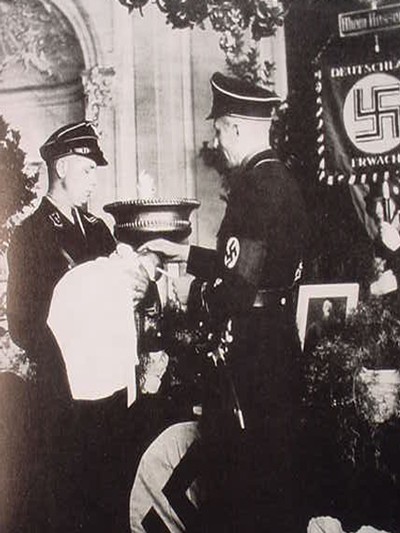
Himmler was very keen on positive eugenics. He wanted to breed boys to become soldiers and girls to become mothers and wives (and produce more soldiers.) Contraception and abortion were banned with abortion ultimately attracting a death penalty. He also established the SS Lebensborn Foundation (or Well of Life) which built maternity homes to support unwed mothers. Disturbingly, their babies were taken from them upon birth and became SS property. Such children were then adopted out to ‘worthy’ SS couples. Homes were also set up in countries such as Sweden and Norway as the SS considered Nordic babies were ‘pure gold.’
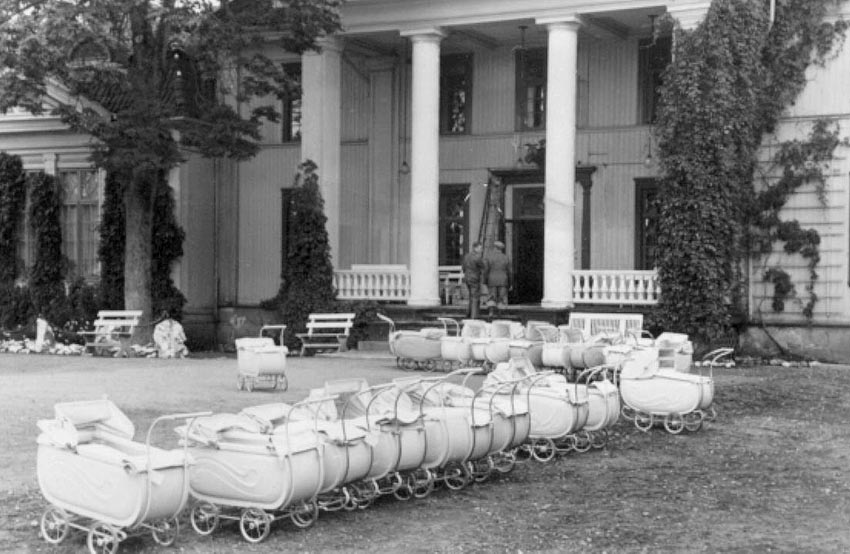
After Poland was conquered, the SS began kidnapping Polish children with sufficient ‘Aryan markers’ to be indoctrinated in the Lebensborn program. Echoes of this are occuring with Putin’s abduction of Ukrainian children.
Freyja’s sister, Volla, is a fanatical Nazi who is in love with an SS captain. She bears him three children under the Lebensborn program before becoming a nurse in one of the Polish homes. Freyja is horrified when she discovers Volla is enmeshed in the darker aspects of Lebensborn.
8. Your descriptions of the bombing of Berlin Zoo and what happened to the animals is particularly haunting. Can you tell us about this?
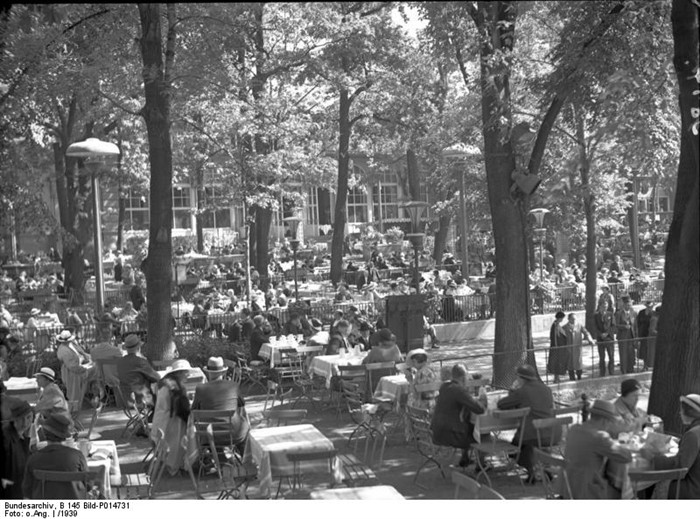
When bombing intensified over Berlin, museums stored their priceless exhibits in the Zoo flak tower. This fortress boasted three-meter-thick concrete walls and housed thousands of people during air raids. It also had huge cannons on its roof to bring down enemy aircraft. Learning this, I researched the zoological gardens as I thought how terrifying it would be for the animals to be so close to the fusillades. What I learned both delighted and shocked me.
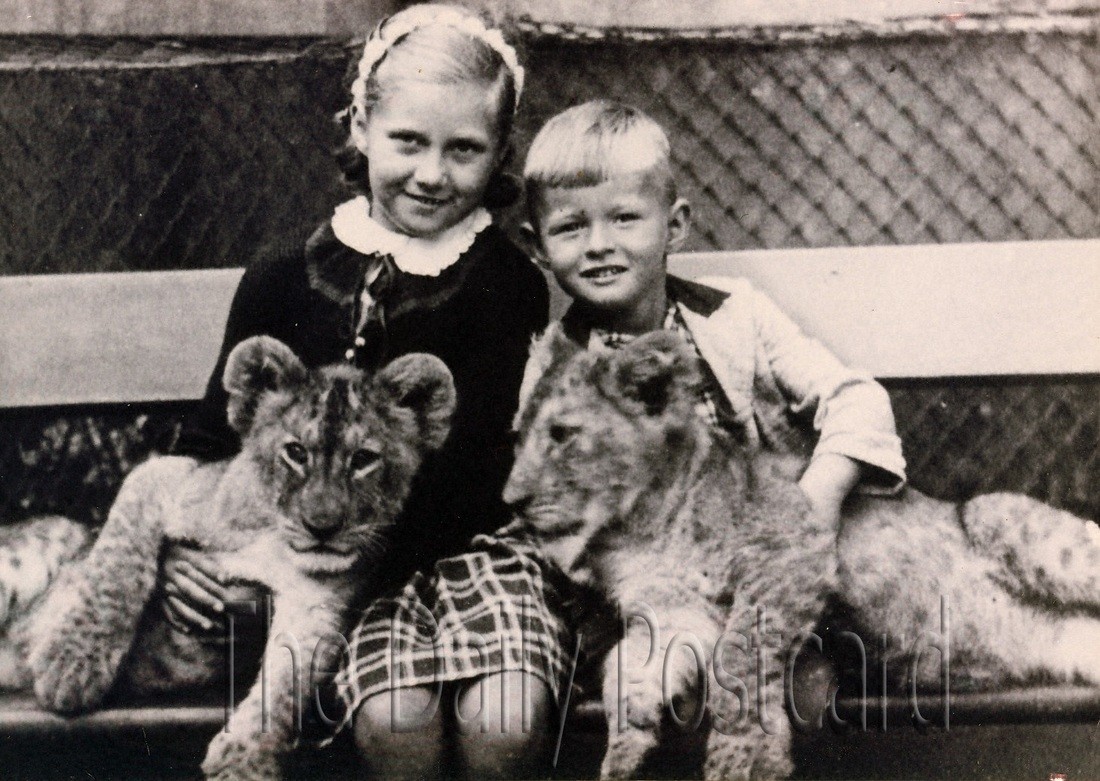
The zoo was a favourite place for Berliners with a pavilion with various fancy dining rooms as well as band rotundas and dance floors. Star attractions included Siam, the elephant, and Pongo, the gorilla. Most famous of all was a hippo calf, Knautschke, who was born during an air-raid and survived to the end. I found numerous photos of Berliners enjoying themselves with the animals including two kids cuddling lion cubs!
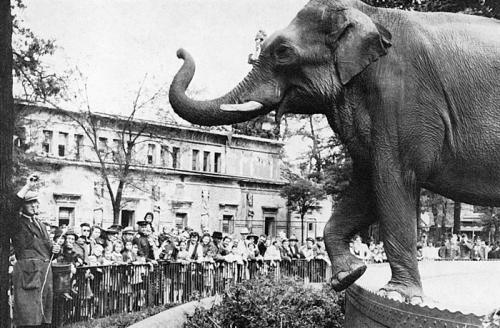
In November 1943, the RAF bombed the zoo two days in a row. All the elephants except for Siam were slaughtered. Further strikes continued at various times during the war. The Soviets set up their guns in the hippo house during the last siege. By 1945, only 91 out of 3,000 animals survived. It was a war crime.
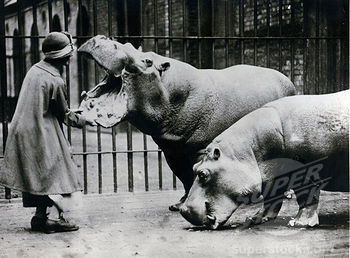
Woman feeding hippos in a zoo, Berlin Zoological Garden, Berlin, Germany, 1922
9. Your point of view from the German perspective brought the story alive. Those details help place the reader alongside your characters. What sort of research did you do for this?
Given my story was about Berlin museum curators, I was faced with the challenge of writing my book from the perspective of an ‘everyday’ German. To do so, I read numerous history books and journal articles examining whether Germans were victims of an oppressive regime or fervent adherents of Nazism. Previously, there was a kind of taboo to write from other than the Western Allied perspective but there are more and more articles written from the Axis viewpoint now. I read memoirs which sometimes could be unreliable or written with a revisionist slant. I also joined the Axis History Forum which is an apolitical forum for discussions on the Axis nations and related topics. It was a rich source for finding anecdotes, photos, and obscure papers!
Of course, you cannot treat an entire population as a monolith as it ignores the varying of millions of people. My conclusion was that complacency, complicity and culpability could be attributed to most Germans in varying degrees.
To reflect these diverse attitudes, I created the Bremer family whose four members represented different responses to the circumstances leading up to the Third Reich and its subsequent rule: Conrad, (the father) a disabled veteran whose Christian beliefs lead to resistance; Elze (the mother) who’s struggled through WW1 and its aftermath and welcomes Hitler’s pathway to a better life; the sister, Volla, the fanatic; and finally, Freyja, indoctrinated throughout her schooling, but unsettled by the oppressions of the Regime.
It is chilling to watch similar preconditions to those arising after WWI occurring across the Western world, with right wing nationalistic governments espousing fascist policies. Antisemitism and Islamophobia are on the rise. And replacement theory is being touted once again with migrants supposedly threatening to overbreed and destroy traditional culture. Social media algorithms isolate people in a continuous loop of skewed views as effectively as Nazi propaganda.
History is repeating in disturbing ways. I feel Fables & Lies is a novel for our times and will give readers a better understanding of how a populace and institutions can fall under the spell of zealots. Most of all, the book shows history is never neutral, and that courage can be found in the smallest acts of defiance.
As Primo Levi says ‘when understanding is impossible, knowing is imperative… It happened; therefore it can happen again…it can happen and it can happen everywhere.’
****************************************
Thank you, Elisabeth. The story shines through your passion and research. Well done. I also think Primo Lev’s quote is particularly apt given the times we are living in and I couldn’t help reflecting on this as I read the book. On behalf of my readers, I wish you every success and look forward to reading your next one.
If you want to know more about Elisabeth’s books, please visit her website:
http://www.elisabethstorrs.com
Link to my review on Goodreads. https://www.goodreads.com/review/show/8776955112
The Books
UPCOMING NEW RELEASE