Blog 124 A Literary World: The Hair Bandeau in Fashion
The Hair Bandeau in Fashion

Paul de La Boulaye (1849-1926) – Catherine La Rose
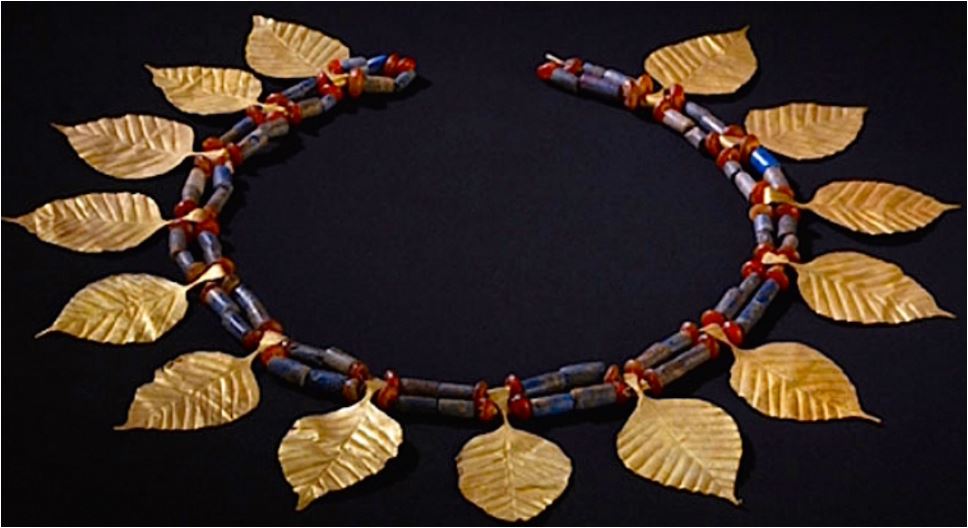
Ancient Mesopotamian gold leaf headpiece with intricate beads
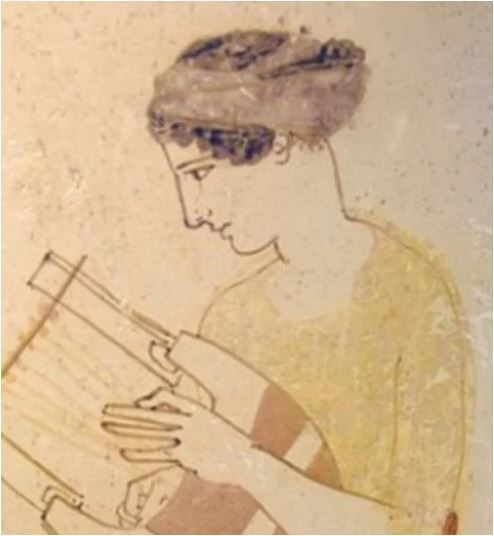
Although the women of ancient Greek used veils of light or precious fabric and ribbons of various colours in their elaborate hairstyles, they also used bands, known as a sphendone, which were wound around the forehead to make it look smaller. A low forehead was considered a sign of beauty.
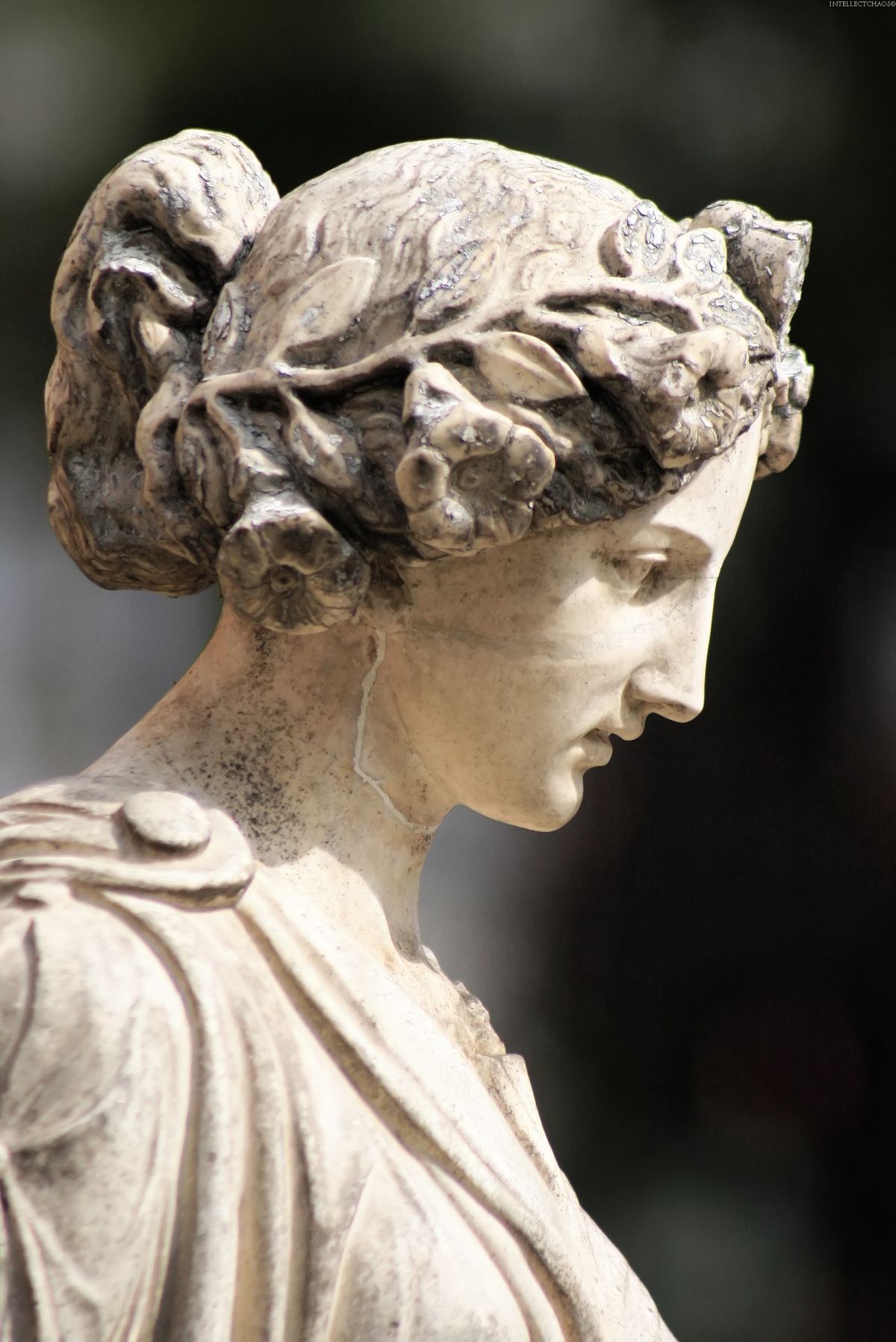
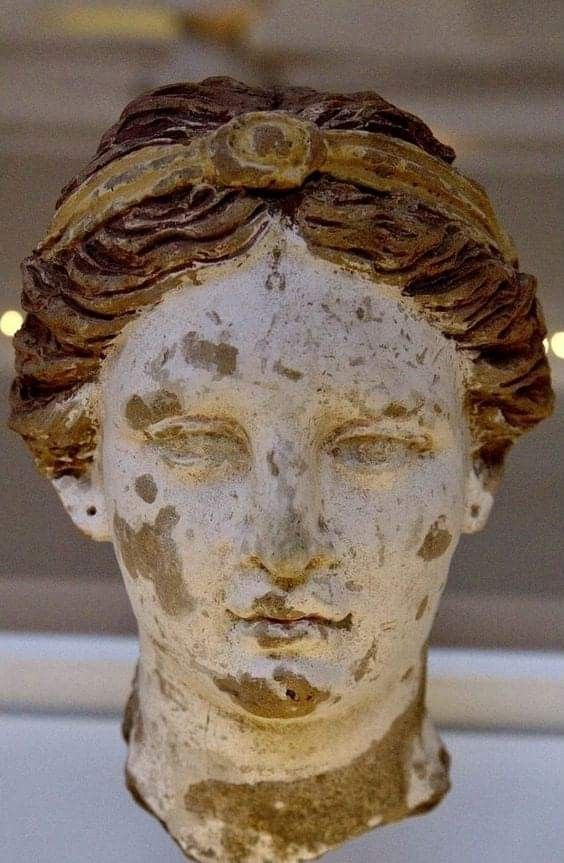
The classical ideal was revived during the Italian Rennaissance and the intricate hairstyle was seen as an ornament of female beauty. The bandeau in Renaissance paintings is most commonly known as a ferronnière, a delicate headband encircling the forehead, which often featured a central jewel or pendant. In late 15th-century Italy, this accessory was worn to enhance the appearance of a high forehead, which was a key ideal of female beauty at the time. Ovid’s Ars Amatoria ((The Art of Love, a three-book instructional elegy written in Latin around 2 AD), in particular, kindled a reverence for hair. Sandro Botticelli (c. 1445–1510) emerged as the great painter of hair, making it what was called, the “threshold to erotic desire” for spectators. An example of this is his Idealized Portrait of a Woman, allegedly his muse, “Simonetta Vespucci”, the biggest love of the painter with whom he lays side by side in a church in Florence. Thought to have been painted in the early 1480s, the long, pony-tailed, braided, curlicued, honey-blond hair is decorated with more than two hundred painted pearls. This during a time the wearing of pearls in public violated Florentine sumptuary laws.

Botticelli made distinctive hairstyles his signature in his first two decades as a painter, but as a high forehead was considered a sign of beauty, a simple band was often more elegant.

Antonio del Pollaiolo and Piero del Pollaiolo, “Portrait of a young lady”, 1470–1475

Portrait of a Young Woman – Antonio Boltraffi
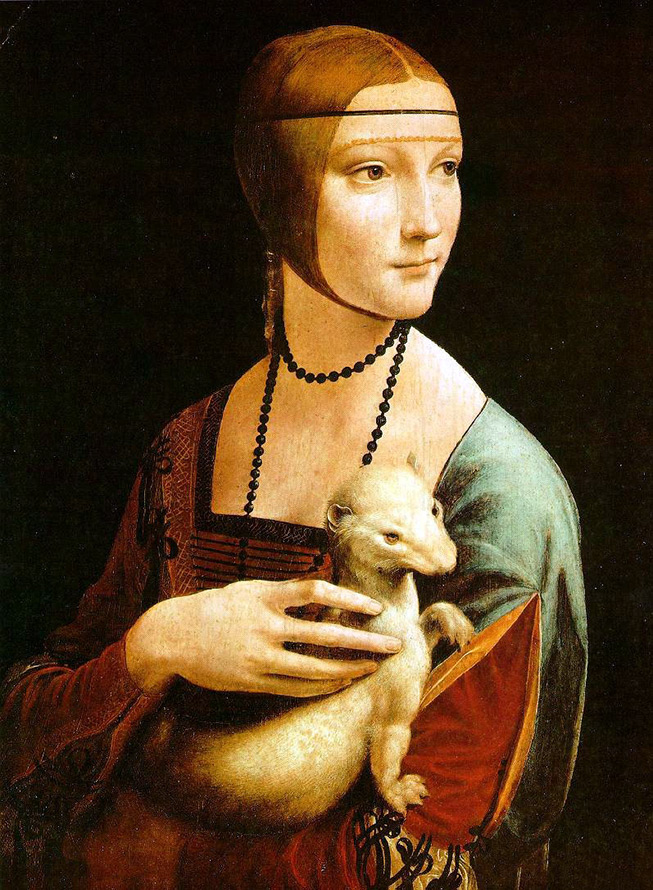
Leonardo da Vinci. Lady with an Ermine, 1490.
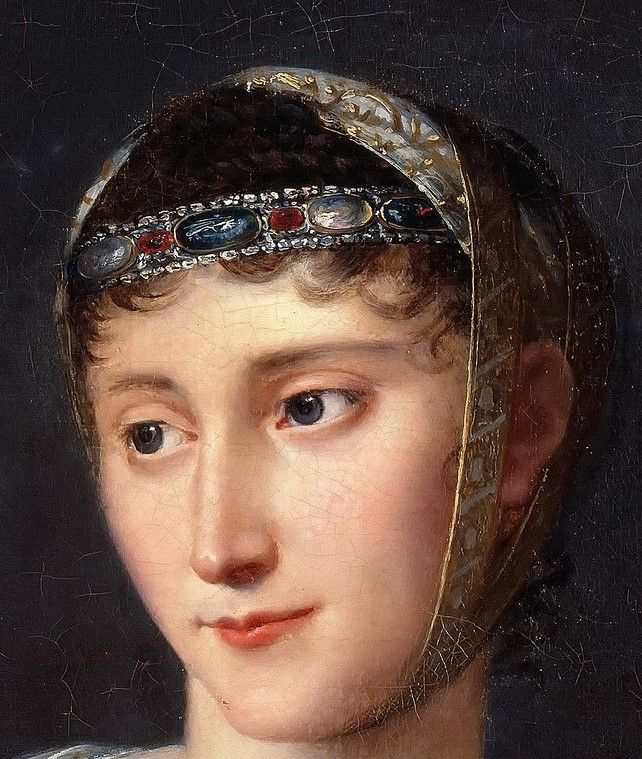
Pauline Bonaparte by Robert Lefevre, 1806
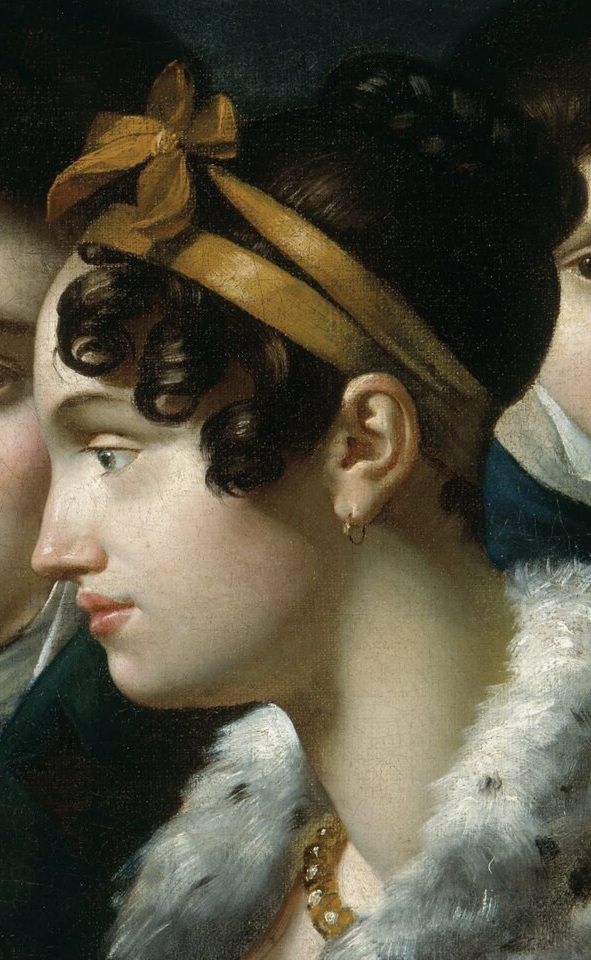
1813
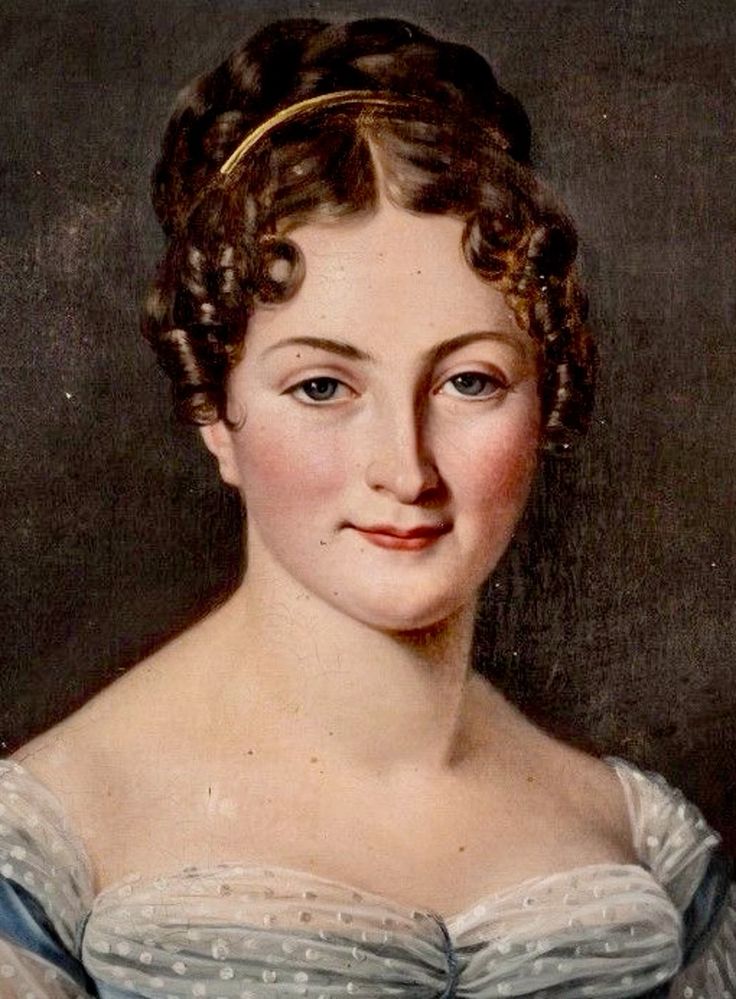
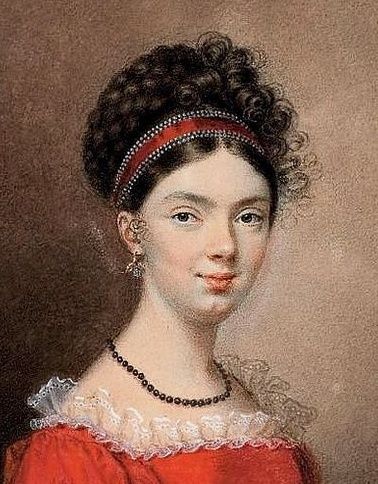
1818
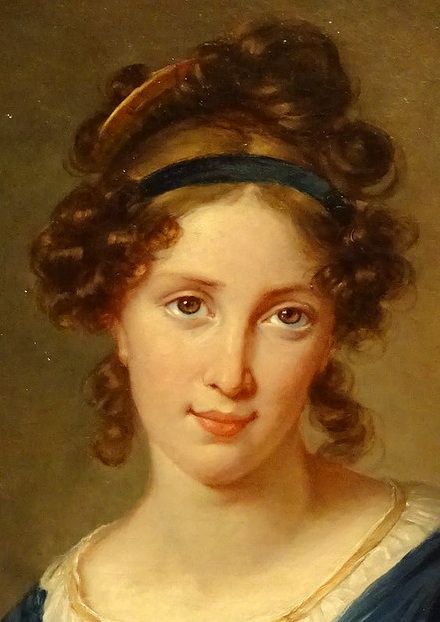
1820
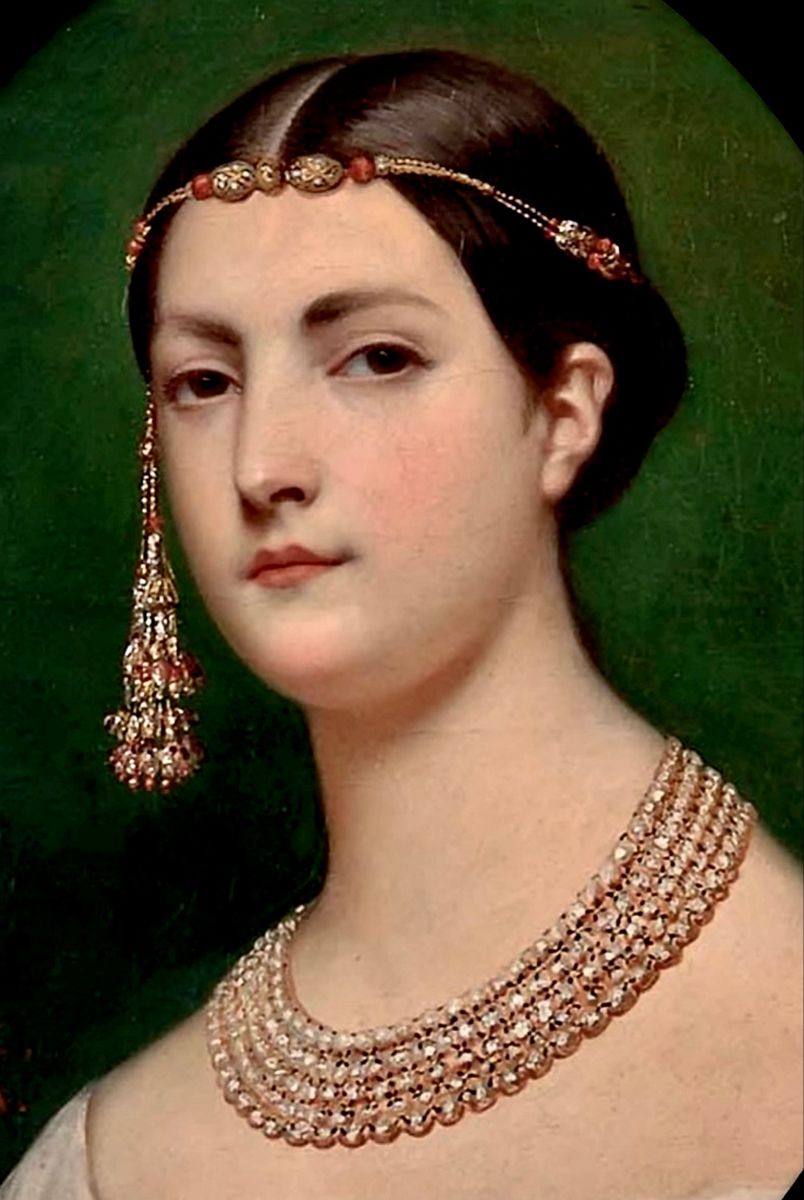
Joseph-Desire Court

Mrs Elton from Emma, the film. An actual style of the 1830’s, the Apollo Knot.

Portrait of Amaila de Schintling 1812-1831 byPedro-Joseph-Karl-Stieler
In the 20th century, the bandeau remained a staple accessory in fashion, particullary Hollywood glamour and vintage-inspired looks of the Art Deco period. While often used to tame hair and add a touch of elegance or bohemian flair to an outfit. it evolved into narrow fabric bands used to bind hair or support decorative headpieces.
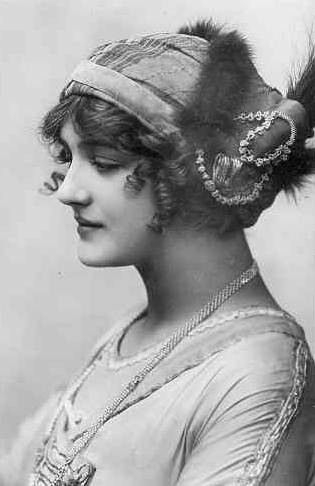
Lily Elsie
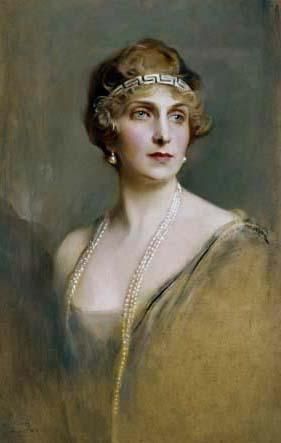
Queen Ena of Spain by By Philip de László

Melzer Prinzessin Helene von Griechenland Königshaus von Griechenland

1914, diamond foliate leaf motif and diamond bow aigrette.
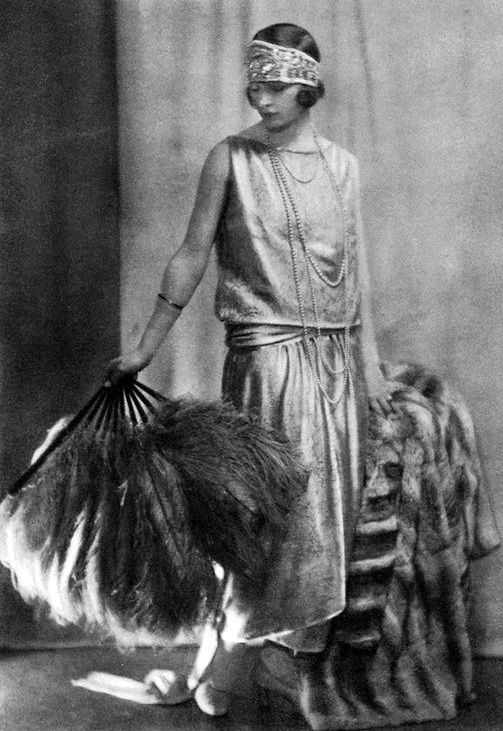
1922-Molyneux
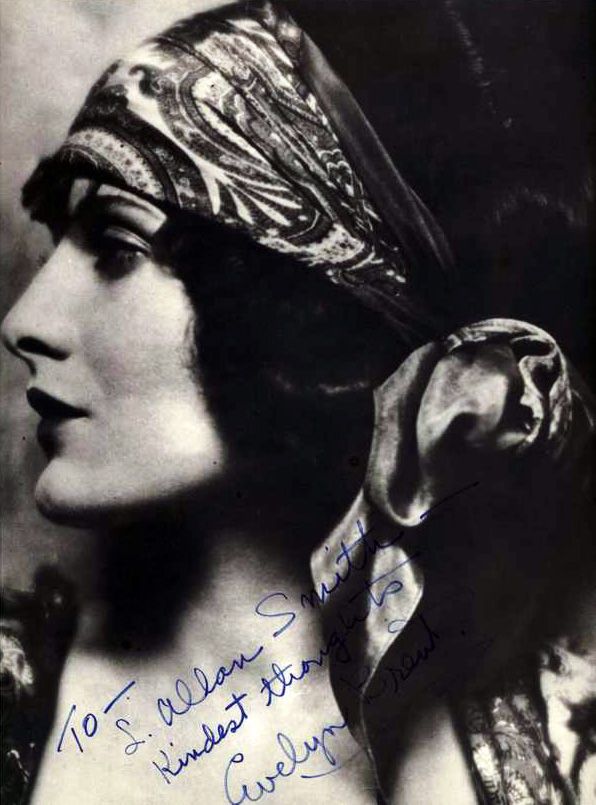
Evelyn Nesbet
THE BOOKS
Latest Release
Greek Colouring Book